


Is your car’s heating system not working right? A bad heater core can be a big problem, more so in cold weather. If your car’s heater isn’t working, it might mean your heater core is failing.
It’s important to know the signs of a failing heater core. This can help prevent damage to your car’s engine and cooling system. Ignoring heater core problems can lead to expensive repairs.
Topic Summary
- What Is a Heater Core and How Does It Work?
- Signs of a Bad Heater Core You Shouldn’t Ignore
- Case Study: 2015 Ford F-150 Heater Core Failure
- Heater Core Replacement Options and Costs
- Recognizing and Addressing Heater Core Issues
- FAQs on Symptoms Of A Bad Heater Core That Needs Replacement
- What Are The Common Signs of a Bad Heater Core?
- Can a Bad Heater Core Cause Engine Overheating?
- How Much Does it Cost to Replace a Heater Core?
- Can I Replace The Heater Core Myself?
- What is a Heater Core Bypass, and is it a Viable Temporary Solution?
- How Do I Know if My Heater Core is Leaking?
- Will a Clogged Heater Core Cause My Car’s Heating System to Blow Cold Air?
- Is it Safe to Drive With a Bad Heater Core?
Key Takeaways
- Understanding the importance of a functioning heater core
- Identifying common symptoms of heater core failure
- Learning how to diagnose heater core issues
- Knowing when to replace a faulty heater core
- Preventing further damage to your vehicle’s engine and cooling system
What Is a Heater Core and How Does It Work?
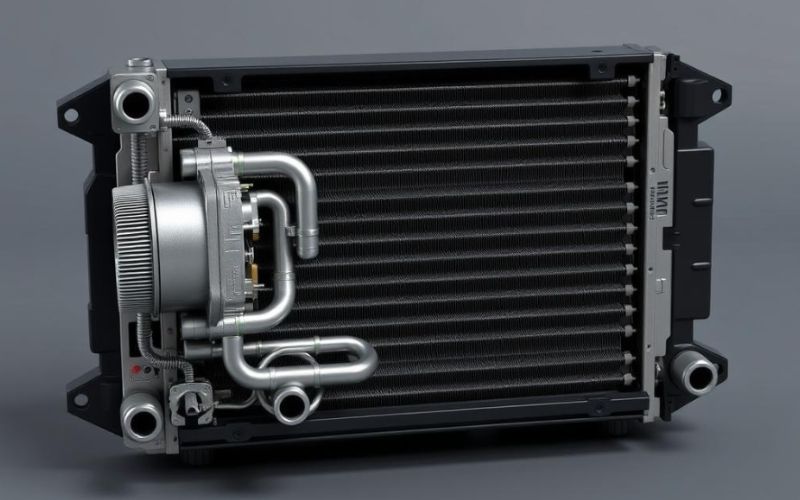
A heater core is key to your car’s heating system. It makes the inside warm. It’s like a small radiator that moves heat from the engine to the air in your car.
The Function of a Heater Core in Your Vehicle
The heater core’s main job is to warm the air in your car. It does this by moving hot coolant through its core. This core is usually found behind the dashboard.
How It Connects to The Cooling System
The heater core links to your car’s cooling system. Hot coolant from the engine goes through the heater core. This lets it share heat with the air around it. The coolant then cools a bit before going back to the engine.
Components and Location in Your Car
The heater core is often found behind the dashboard, in the middle of the car. It’s part of the HVAC system. It includes the heater core, hoses to the engine, and a fan to blow air through it.
How The Heating System Operates
The heating system uses the engine’s coolant to warm the air. When you turn on the heater, the coolant moves through the heater core. A fan then blows air through it, making the air warm before it gets to you. Knowing how it works helps spot problems early.
Signs of a Bad Heater Core You Shouldn’t Ignore
Your vehicle’s heater core is very important. When it fails, you’ll notice several problems. It warms the air inside your car. Knowing the signs of a bad heater core helps fix the issue early.
Sweet Smell Inside Your Vehicle
A sweet, syrupy smell in your car is an early sign. This smell comes from coolant leaking from the heater core.
Why Coolant Creates This Distinctive Odor
Coolant smells sweet. When it leaks into your car, it smells strong. This smell means there’s a leak in the heating system.
Foggy Windows and Windshield
Foggy windows and windshield are another sign. Coolant leaks can make the windows fog up. This makes it hard to see and is unsafe.
Coolant Leaks on Passenger Side Floor
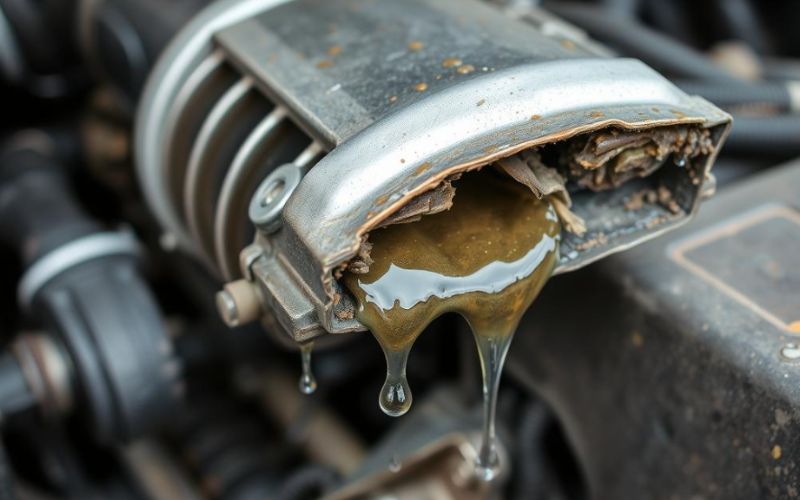
Coolant leaks on the passenger side floor mean your heater core is leaking. These leaks can damage your car’s interior and cost more to fix if not fixed fast.
Poor Heating Performance
A bad heater core can make your car’s heater not work well. If it’s not warm or blows cold air, it might be clogged or leaking.
Engine Overheating Issues
A failing heater core can also cause the engine to overheat. This happens when there’s a big leak, lowering the coolant level.
Rapid Coolant Loss
Fast coolant loss is another sign of a heater core problem. If you keep adding coolant, it might be leaking from the heater core.
Knowing these signs helps you spot a bad heater core early. Common signs include:
- Sweet smell inside the vehicle
- Foggy windows and windshield
- Coolant leaks on the passenger side floor
- Poor heating performance
- Engine overheating issues
- Rapid coolant loss
If you see any of these signs, get your heater core checked and fixed or replaced.
Case Study: 2015 Ford F-150 Heater Core Failure
The 2015 Ford F-150 had a heater core problem, as shown in a recent case. The heater core is key for the car’s heat. Its failure can cause a lot of trouble and danger.
Initial Symptoms Reported By Owner
The owner of the 2015 Ford F-150 first smelled a sweet, syrupy smell inside. This smell is often a sign of a heater core leak. Then, the floor on the passenger side got wet, and the car’s heat went down a lot.
Diagnostic Process and Findings
A mechanic looked at the car and found coolant leaks near the heater core. A pressure test showed the heater core was leaking. This explained the symptoms.
“The heater core was leaking coolant, which not only reduced the heating efficiency but also posed a risk of engine overheating due to the loss of coolant.”
A seasoned mechanic’s observation
Confirmation of Heater Core Failure
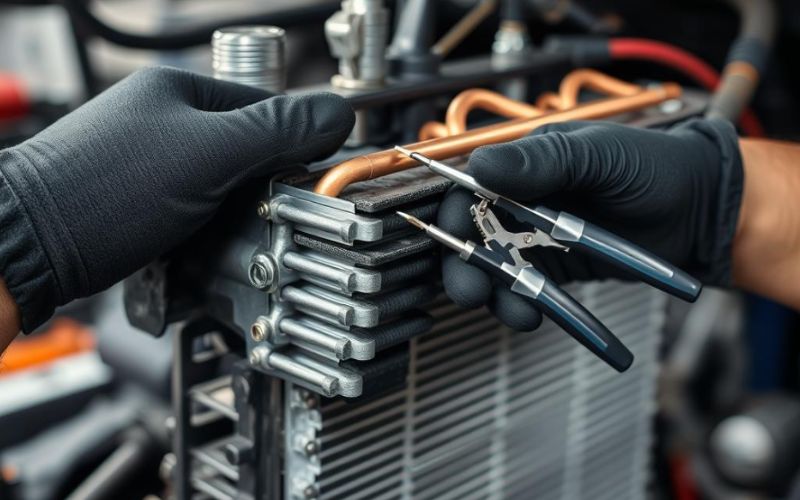
When the mechanic took out the heater core and looked at it, they found the problem. Corrosion was the reason for the failure. This is a common problem in many cars.
Impact on Vehicle Performance and Safety
The heater core failure affected the car’s performance and safety. The car didn’t heat up well, which was uncomfortable in cold weather. Also, the coolant leak could have caused the engine to overheat if not fixed quickly.
- Reduced heating efficiency
- Coolant leakage
- Potential for engine overheating
In conclusion, the 2015 Ford F-150’s heater core failure shows why fixing problems quickly is important. Regular checks can catch problems early and prevent big issues.
Heater Core Replacement Options and Costs
When your heater core fails, it’s important to know your options. Replacing it can be tricky. You’ll need to think about cost, labor, and whether to do it yourself or hire a pro.
Professional Replacement Process
Choosing a professional means a mechanic will do the job. This is a good choice if you’re not into DIY car repairs. It ensures the job is done right.
Average Labor Hours Required
The time needed to replace a heater core varies. Most sedans and SUVs take 2 to 4 hours. Trucks might need more time because they’re bigger and have more complex systems.
DIY Replacement Considerations
If you’re good with tools and have car repair experience, DIY might save you money. But, it’s a complex task. You’ll need the right tools and might make mistakes.
Temporary Solutions: Heater Core Bypass
A heater core bypass is a temporary fix. It reroutes coolant to avoid leaks or damage. It’s not a permanent fix but can help in emergencies.
Cost Analysis For Different Vehicle Types
The cost to replace a heater core changes based on the vehicle. Here are some estimates:
- Sedans: $500-$1,000
- SUVs: $600-$1,200
- Trucks: $800-$1,500
Sedans vs SUVs vs Trucks
The size and complexity of a vehicle affect the cost. Trucks are usually more expensive because they need more parts and labor.
Recognizing and Addressing Heater Core Issues
A heater core is key to your car’s heating system. It shows signs of trouble like a sweet smell, foggy windows, and coolant leaks. These signs mean your heater core might be failing.
Identifying these symptoms is important for your car’s safety and performance. If you notice any, it’s time to think about replacing it. You can choose to have a pro do it or try it yourself if you know how.
Knowing how much it will cost to replace the heater core is also important. This depends on your car’s make and model.
Fixing heater core problems early can save your car’s engine and cooling system. This keeps your car running well. Stay alert and take care of your car’s heating system.
FAQs on Symptoms Of A Bad Heater Core That Needs Replacement
What Are The Common Signs of a Bad Heater Core?
Signs include a sweet smell inside your car, foggy windows, and coolant leaks on the floor. You might also notice poor heating, engine overheating, and fast coolant loss.
Can a Bad Heater Core Cause Engine Overheating?
Yes, it can. A bad heater core is part of the cooling system. If it’s clogged or leaking, it can mess up the cooling system’s job.
How Much Does it Cost to Replace a Heater Core?
Costs vary by vehicle type. Labor and parts prices differ for sedans, SUVs, and trucks. Expect to pay $500 to $1,000 for a professional job.
Can I Replace The Heater Core Myself?
Yes, if you’re skilled and know the right steps for your car. But, it’s wise to get help from a pro if you’re not sure.
What is a Heater Core Bypass, and is it a Viable Temporary Solution?
A heater core bypass is a quick fix. It reroutes coolant flow around the heater core. It’s a good short-term solution but needs a permanent fix later.
How Do I Know if My Heater Core is Leaking?
Look for coolant leaks on the floor, a sweet smell, or foggy windows. A low coolant level is another sign.
Will a Clogged Heater Core Cause My Car’s Heating System to Blow Cold Air?
Yes, it will. A clogged heater core blocks hot coolant flow. This makes it hard to warm the air.
Is it Safe to Drive With a Bad Heater Core?
It’s not safe. Driving with a bad heater core can cause engine overheating. This can damage your engine and cooling system.